
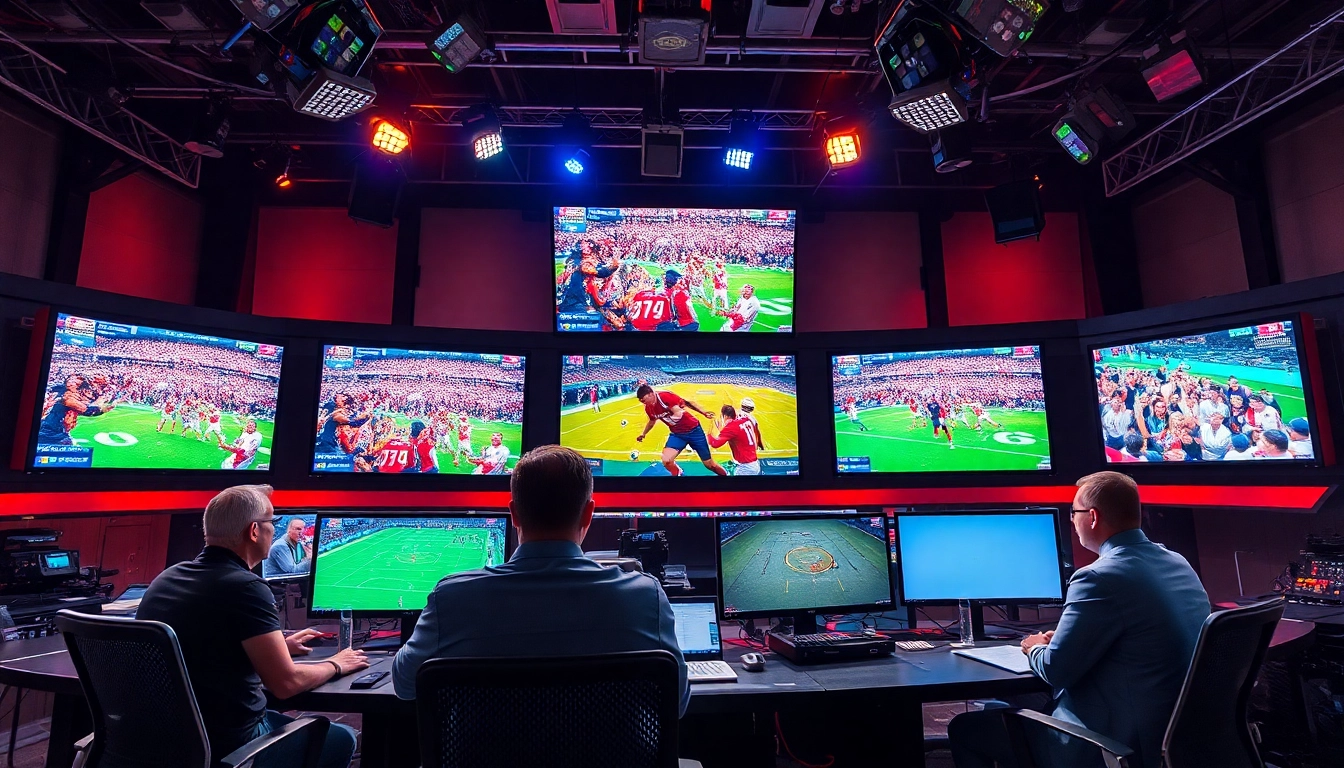
Understanding Sports Broadcasting
Sports Broadcasting has evolved into a dynamic field that combines the passion for sports with the cutting-edge technology of broadcasting. It encompasses everything from the capture of live events to the detailed analysis of past performances. As fans demand more immersive experiences, broadcasting strategies have adjusted accordingly. Understanding this industry is essential for anyone looking to enter it or improve their business strategies. Notably, the importance and intricacies of Sports Broadcasting cannot be overstated, as it plays a key role in shaping the viewer experience and influencing sports cultures worldwide.
History of Sports Broadcasting
The roots of sports broadcasting can be traced back to the early 20th century when radio broadcasts first brought live sporting events into homes. Events like the 1921 boxing match between Jack Dempsey and Georges Carpentier captured a massive audience, demonstrating the potential of audio broadcasting in the sports realm. By the 1950s, television emerged as the dominant medium, revolutionizing the way fans experienced sports. The coverage exploded, with iconic events like the Super Bowl and the Olympics attracting millions of viewers.
Key Players in the Industry
The landscape of sports broadcasting is populated by numerous key players, each playing a pivotal role. Traditional networks such as CBS, NBC, and ABC have long been the mainstay of live sports coverage. However, the rise of the internet led to the emergence of digital platforms like ESPN+, Amazon Prime, and YouTube, offering a diverse range of content. Production companies and sports leagues also significantly influence how events are broadcast, ensuring that content aligns with viewer expectations and regulatory standards.
Types of Sports Broadcasting
Sports Broadcasting is categorized into various types, each catering to specific audience needs. Live broadcasting brings the thrill of events in real-time, while delayed broadcasts allow those unable to view events live to catch up later. Additionally, highlight shows provide condensed versions of games, and analytical programming offers in-depth commentary and expert insights, further enhancing the viewer’s understanding of the sports being covered.
Essential Tools for Sports Broadcasting
Broadcasting Equipment Overview
The backbone of sports broadcasting lies in its equipment. Cameras capable of capturing high-definition video are essential, accommodating various angles and perspectives during events. Professional audio equipment is equally crucial, as clear sound, from athlete interviews to crowd roars, significantly enhances the viewing experience. Equipment advances, such as drone cameras and robotic camera systems, are pushing boundaries and creating stunning visuals never seen before.
Audio and Visual Technologies
Audio and visual technologies significantly impact how audiences engage with sports content. High-definition video, augmented reality graphics, and immersive sound systems create a rich viewing environment. Technologies such as 4K and 8K resolution further enhance visual clarity. Moreover, audio mixing software allows for separation of live action sounds from commentary, ensuring a clean and engaging audio experience for viewers.
Remote Broadcasting Solutions
Remote broadcasting solutions have gained traction, particularly in recent years. These solutions allow broadcasters to capture and transmit live events from distant locations without the need for extensive onsite infrastructure. Utilizing cloud-based technologies and advanced encoding systems, broadcasters can deliver high-quality content from stadiums, parks, or any sports venue to global audiences seamlessly and efficiently.
Navigating the Sports Broadcasting Landscape
Regulatory Standards and Guidelines
Regulatory standards are crucial in sports broadcasting, ensuring fairness and maintaining the integrity of broadcasts. Authorities enforce guidelines regarding broadcasting rights, advertising practices, and content distribution. Understanding these regulations helps broadcasters navigate the complex landscape and avoid potential legal complications while ensuring their content complies with guidelines.
Ethics in Sports Broadcasting
With the power of media comes responsibility. Ethics in sports broadcasting is paramount. Broadcasters must ensure honesty in reporting, avoid favoritism, and adhere to privacy regulations concerning athletes and teams. Fostering trust with audiences hinges on transparent practices, responsible reporting, and meaningful representation of the sports being covered.
Adapting to Audience Preferences
Understanding and adapting to audience preferences are central tenets for success in sports broadcasting. Analytics from viewer habits and preferences guide content delivery. Interactive features such as polls, customizable experiences, and engaging mobile applications tailor broadcasts to fit specific audience desires, making content more appealing and relevant.
Innovative Techniques in Sports Broadcasting
Utilizing Technology for Enhanced Experience
Technology continues to reshape the landscape of sports broadcasting. Innovations like augmented reality and virtual reality offer immersive experiences as viewers can engage with content in new ways. Advanced analytics platforms visualize player and team statistics in real-time, enriching viewer understanding and engagement.
Storytelling in Sports Coverage
Storytelling in sports coverage involves weaving narratives around athletes, teams, and events that resonate with audiences. Successful broadcasts not only provide statistics but also share the journeys of players, building emotional connections with the viewers. These evocative narratives can transform a simple game coverage into a captivating experience.
Live Interaction with Viewers
Live interaction with viewers is becoming standard in the realm of sports broadcasting. Utilizing social media platforms, broadcasters enable real-time engagement, allowing fans to interact, share reactions, and contribute to discussions during events. This two-way communication enriches the viewing experience and fosters a sense of community among fans.
Measuring the Success of Sports Broadcasting
Key Performance Indicators
Measuring the success of sports broadcasting involves various Key Performance Indicators (KPIs). Metrics such as viewer ratings, audience reach, and engagement levels indicate how well a broadcast resonates with viewers. Monitoring these KPIs allows broadcasters to assess the effectiveness of their strategies and make informed decisions towards improvement.
Audience Engagement Metrics
Audience engagement metrics encompass more than just view counts. Analyzing how viewers interact—through shares, comments, and participation in voting or polls—provides insight into content relevance and connection with the audience. These metrics help broadcasters craft better narratives and enhance viewer experiences.
Feedback and Continuous Improvement
Feedback is essential for continuous improvement in sports broadcasting. Gathering viewer insights through surveys and social media interactions can spotlight strengths and areas for development. Cultivating a culture of improvement by responding to audience needs and preferences can lead to more captivating content and higher viewer satisfaction.
FAQs About Sports Broadcasting
What is sports broadcasting?
Sports broadcasting involves the live coverage and analysis of sporting events via various media, including television, radio, and online platforms.
How has technology changed sports broadcasting?
Technology has revolutionized sports broadcasting with HD video, analytics, remote solutions, and enhanced audience engagement through interactive features.
What role do analytics play in sports broadcasting?
Analytics help broadcasters understand viewer preferences, optimize content delivery, and enhance audience engagement through data-based insights.
What types of sports broadcasting exist?
Types of sports broadcasting include live coverage, delayed broadcasts, highlight shows, and analytical programming focused on event insights.
Why is ethics important in sports broadcasting?
Ethics maintain integrity in sports broadcasting, ensuring responsible reporting, fairness, and transparency in how events and athletes are presented.